unlibrary
Our Goal Is Overwhelming—But Doable, One Child at a Time
Building a better tomorrow, together

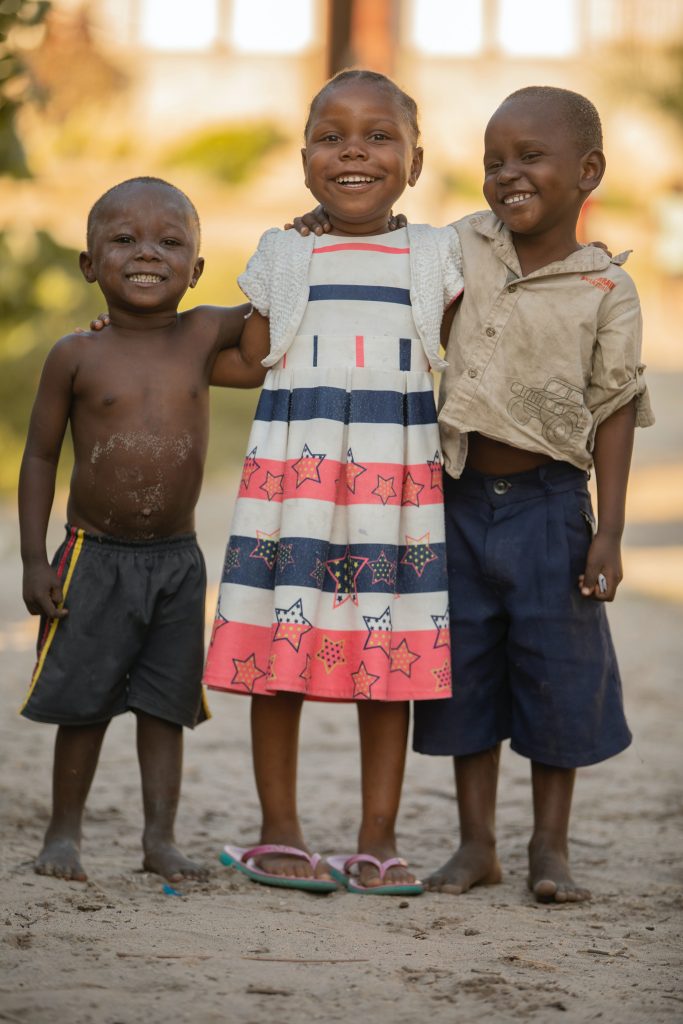
Liberian Children Are Excited to Attend Library Club Sessions
Our Goal Is Overwhelming—But Doable, One Child at a Time
With the library, we aim to contribute to improving literacy rates amongst children in Liberia, and by doing so equip young people with the knowledge, tools and opportunity to rise out of poverty and significantly improve their quality of life. Liberia has one of the lowest literacy rates in the world—it’s ranked 182 out of 197 countries in the world literacy ranking. Illiteracy has a significant impact on individuals in Liberia, creating a poverty trap from which it is difficult to escape.
Books Alone Aren’t Enough
The Need for Literacy Is Great—And It Starts with Schools and Libraries
Liberia Tops The List Of Poorest Countries In The World 2020, with a Gross National Income (GNI) per capita of $710. If you think you misread that, you didn’t. $710/year for an individual—and in many instances, an entire family—to live on. According to the World Bank, the poverty level (people living on less than $2.00/day) in Liberia was 55.5% in 2019, and predicted to rise as high as 68.9% in 2020. Figures aren’t yet in for the year, but with COVID not even in sight when the predictions were made, it’s likely the true poverty levels for 2020 are much higher.
Care in action
It’s clear that much of the Liberian population is born into poverty. Because of their poverty, most Liberians are unable to get the education they need; children work to supplement the family’s meagre income, so there is no time or money to attend school. This lack of education creates a lack of understanding of basic information, which, in turn, leads to unemployment, low income, lower-quality jobs and a lack of opportunity to progress. It is a vicious cycle that prevents even the hardest workers from elevating themselves and their families out of poverty.
Libraries can be an effective way of improving literacy in poor countries where books are not easily available or affordable. However, a qualitative research project (“A Malawian school library: culture, literacy and reader development”) demonstrated that more than just the provision of books is needed to make significant improvement in literacy levels. Reader development programs are required alongside the provision of books.
Care in action
Together, book provision and educational programs are effective in improving literacy and ensuring books are used to their full potential. Supporting this, research published by Kupetz in 1993 showed that children attending a library literacy program had better literary behaviours and pre-reading skills and were able to read significantly more words correctly than children who did not attend such a program.
Therefore, one of the key aims of libraries is to promote reading as a leisure activity. The benefits of reading for leisure have been widely studied. Children who frequently read in their leisure time do better in school, are better communicators and command a richer vocabulary. When children read widely, they are exposed to different ideas, cultures and situations, which enrich their outlook on life.
Care in action
Consequently, they are more likely to develop a better understanding of the world around them, including an appreciation of different cultures and perspectives. A strong reading culture also improves general knowledge and helps children relate to others better. Children who regularly read in their leisure show improved brain function and have better imagination.
All these benefits contribute immensely to the ability to obtain and hold a job as an adult, and will serve to help Liberian children break the chains of poverty and become self-supporting, productive citizens.
Help us build a better tomorrow.
Your support helps Ri’ayah continue its work with children, families and communities in Liberia.